
Introduction
The moment headlines flash that the dow jones plunges stock market, panic tends to ripple far beyond Wall Street. It reaches living rooms, retirement accounts, business boardrooms, and even the smallest retail investors checking their phones during lunch breaks. Market drops don’t just represent numbers falling on a chart—they symbolize uncertainty about the future.
When the dow jones plunges stock market activity across the globe often reacts within minutes. From Asia to Europe, investors brace for impact. But what actually causes such sharp declines? And more importantly, what does it mean for everyday investors, businesses, and the broader economy?
Understanding market plunges isn’t just for financial analysts. Whether you’re investing for retirement, running a company, or simply trying to make sense of economic headlines, this topic matters more than ever.

What It Means When the Dow Jones Plunges Stock Market
When financial media reports that the dow jones plunges stock market performance, they’re referring to a sharp and sudden decline in the Dow Jones Industrial Average (DJIA). The DJIA is one of the oldest and most closely watched stock indices in the world.
The Dow tracks 30 major U.S. companies—often called blue-chip stocks. These companies span industries such as technology, healthcare, energy, manufacturing, and finance. When the Dow drops significantly in a short period, it usually signals broader concerns about economic stability.
Defining a “Plunge”
In market terminology, a plunge typically refers to:
- A drop of 2% or more in a single trading session
- A fall of several hundred points in a day
- A rapid multi-day decline tied to breaking news
If the dow jones plunges stock market sentiment often shifts from confidence to caution almost instantly.

Beyond the headlines, a plunge usually reflects deeper worries—about inflation, interest rates, geopolitical tension, or corporate earnings. The Dow doesn’t fall in isolation; it responds to real-world economic pressures.
Why the Dow Jones Plunges Stock Market Confidence
Several factors can cause the dow jones plunges stock market narrative to dominate headlines. While every crash or correction has unique triggers, most declines fall into a few major categories.
1. Economic Slowdown Fears
When economic data suggests slowing growth—such as weaker GDP numbers or rising unemployment—investors begin pricing in lower corporate profits. If growth expectations shrink, stock valuations often follow.
A sudden rise in unemployment claims or disappointing retail sales data can spark widespread selling.
2. Inflation and Interest Rates
Inflation is one of the most powerful forces behind market volatility. When inflation rises sharply, central banks—especially the Federal Reserve—often respond by raising interest rates.
Higher interest rates:
- Increase borrowing costs
- Slow consumer spending
- Reduce corporate investment
- Make bonds more attractive compared to stocks
When investors anticipate aggressive rate hikes, the dow jones plunges stock market activity can accelerate quickly.
3. Geopolitical Events
Wars, trade disputes, and political instability can rattle markets overnight. Investors dislike uncertainty. If global tensions rise or unexpected policy decisions are announced, stock markets often react sharply.
4. Corporate Earnings Disappointments
The Dow consists of major corporations. If several large companies report earnings below expectations, confidence erodes. A few bad reports can trigger broader selling across sectors.
5. Financial System Stress
Bank failures or credit crises create systemic fear. The memory of the 2008 financial crisis still lingers in markets. When banking instability surfaces, the dow jones plunges stock market conditions can intensify rapidly.
Historical Moments When the Dow Jones Plunges Stock Market Stability
Looking back at history helps put current events into perspective.
The Great Depression (1929)
In October 1929, the Dow collapsed in what became known as Black Tuesday. The market lost nearly 25% in just two days. This marked the beginning of the Great Depression, a decade-long economic downturn.
The 2008 Financial Crisis
Triggered by the collapse of Lehman Brothers and the housing market meltdown, the Dow lost more than 50% from peak to trough. It took years for full recovery.
The COVID-19 Crash (2020)
When the pandemic spread globally, the dow jones plunges stock market pattern unfolded at record speed. In March 2020, the Dow experienced some of the largest single-day point drops in history.
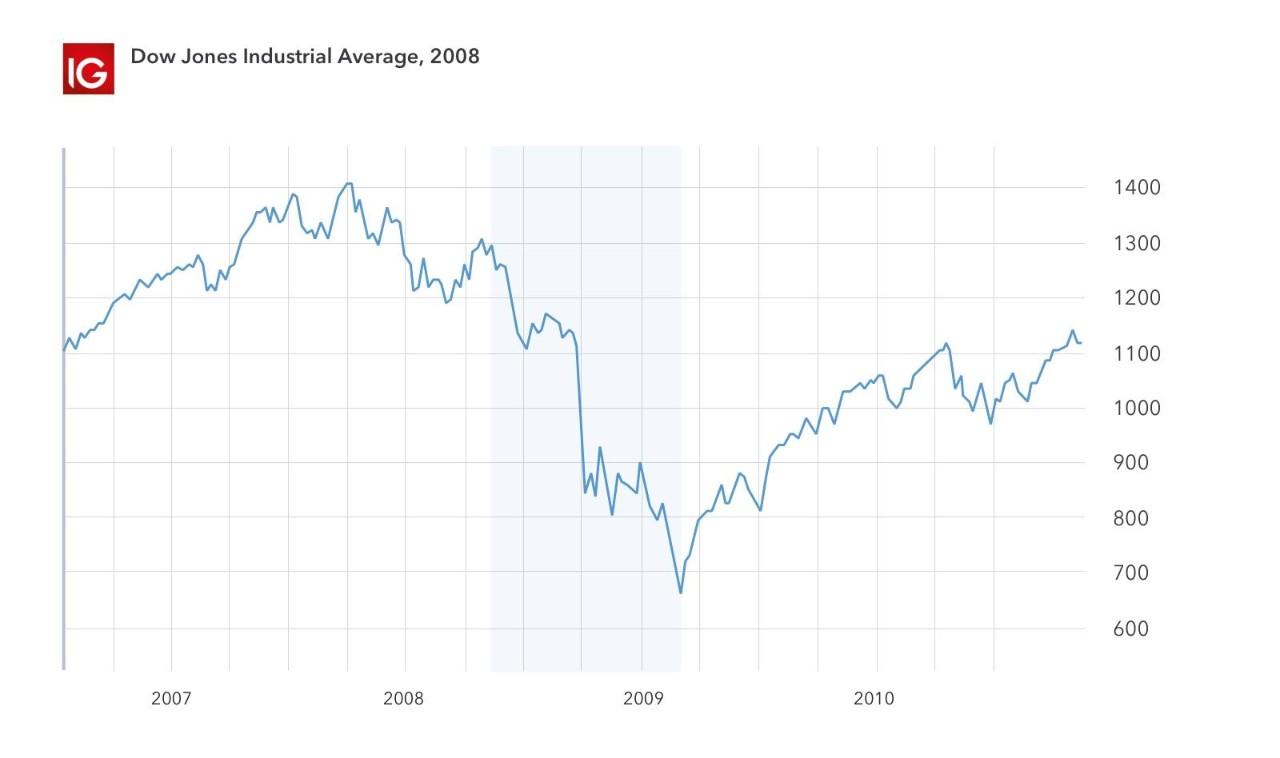
Despite severe declines, markets eventually recovered in each case. History shows that while plunges are painful, they are rarely permanent.
How Market Plunges Affect Everyday Investors
When the dow jones plunges stock market news spreads, its impact extends far beyond traders.
Retirement Accounts
401(k) and pension portfolios often hold significant stock allocations. Sudden drops can reduce account balances quickly, creating anxiety for near-retirees.
Small Businesses
Businesses relying on credit may face tighter lending conditions during volatile periods.
Consumer Confidence
Market declines can influence how consumers feel about spending. If people see their investments shrinking, they may cut back on major purchases.
Emotional Impact
One of the most underestimated effects of a plunge is psychological. Fear-driven decisions—like panic selling—can lock in losses that might have been temporary.
The Psychology Behind When Dow Jones Plunges Stock Market Panic
Markets are not purely rational systems. They are driven by human emotion—fear and greed above all.
Herd Behavior
When investors see others selling, they often follow. This can amplify declines beyond what economic fundamentals justify.
Media Amplification
Constant headlines, push notifications, and social media commentary can intensify anxiety.
Loss Aversion
Behavioral finance research shows that people feel losses more intensely than gains. When the dow jones plunges stock market sentiment shifts rapidly because investors focus more on downside risk.
Understanding these psychological patterns can help investors respond more rationally during turbulent times.

Smart Strategies During Market Downturns
When the dow jones plunges stock market turbulence doesn’t mean investors are powerless. There are practical steps that can help navigate volatility.
1. Review, Don’t React
Take a step back. Assess long-term goals before making major portfolio changes.
2. Diversify
A diversified portfolio across asset classes—stocks, bonds, real estate, commodities—can reduce overall risk.
3. Maintain an Emergency Fund
Having cash reserves prevents forced selling of investments during downturns.
4. Consider Dollar-Cost Averaging
Investing fixed amounts regularly can reduce the risk of mistiming the market.

While downturns are uncomfortable, they can also present long-term buying opportunities for disciplined investors.
Global Ripple Effects When Dow Jones Plunges Stock Market Trends
The Dow may be a U.S. index, but its influence is global.
International Markets
Asian and European markets often respond to sharp U.S. declines.
Currency Fluctuations
Investors may move capital into safe-haven currencies such as the U.S. dollar.
Commodities
Gold prices often rise when equity markets fall, reflecting demand for stability.
In a globally connected financial system, a major drop in the Dow rarely stays contained.
Frequently Asked Questions
What causes the dow jones plunges stock market headlines?
Usually a combination of economic data, interest rate concerns, geopolitical tensions, or disappointing corporate earnings triggers sharp declines.
Is a market plunge the same as a crash?
Not necessarily. A crash typically refers to a very severe and sustained drop, while a plunge can describe a sharp short-term decline.
Should I sell my investments during a plunge?
It depends on your long-term goals and financial situation. Panic selling can lock in losses that might recover over time.
How long do market downturns usually last?
Some last days or weeks, others months. Historically, markets have recovered over longer time horizons.
Does a falling Dow mean the economy is in recession?
Not always. Markets often react before official economic data confirms a recession.
Are there benefits when markets fall?
Yes. Lower prices can create buying opportunities for long-term investors.
How does inflation impact stock market plunges?
High inflation often leads to higher interest rates, which can pressure stock valuations.
Can the Dow recover after large drops?
Historically, yes. Every major downturn in modern history has eventually been followed by recovery.
Conclusion
When the dow jones plunges stock market headlines dominate the news cycle, it’s natural to feel uneasy. Sharp declines can shake confidence, reduce account balances, and spark widespread concern about the future.
But markets have always moved in cycles. Periods of decline are often followed by recovery, innovation, and renewed growth. Understanding the causes behind market plunges—rather than reacting emotionally—can make the difference between panic and preparedness.
In uncertain times, knowledge is one of the most powerful investments you can make.