
Introduction
Inventory might sit quietly on your warehouse shelves, but the way you value it can dramatically change your profits, taxes, and even investor perception. That’s where fifo vs lifo becomes more than just accounting jargon—it becomes a strategic decision that shapes your financial story.
If you run a retail store, manage a manufacturing unit, or analyze financial statements, understanding fifo vs lifo can help you make smarter decisions. These two inventory costing methods determine how your cost of goods sold (COGS) is calculated and how your remaining inventory is valued.
In this guide, we’ll break down both methods in plain language, explore real-world examples, examine tax implications, and help you determine which method fits your business model best.
What Is Inventory Valuation?
Inventory valuation refers to the accounting method used to assign costs to goods sold and goods remaining in stock. When prices fluctuate—which they almost always do—the method you choose affects:
- Reported profits
- Tax liability
- Cash flow
- Balance sheet strength
- Investor confidence
Before diving deeper into fifo vs lifo, it’s important to understand the basic mechanics behind these methods.
What Is FIFO?
Definition of FIFO
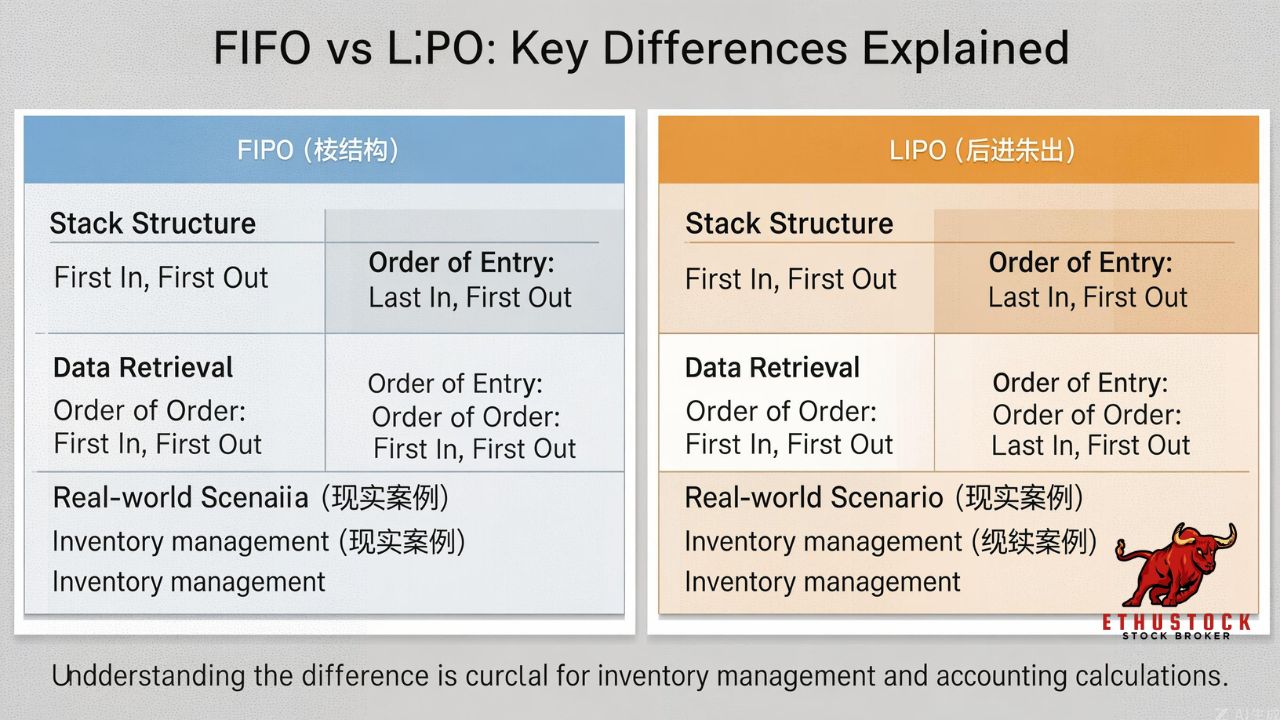
FIFO stands for First In, First Out. Under this method, the earliest purchased or produced inventory items are assumed to be sold first.
In simple terms:
Oldest inventory cost = first expense recorded.
This method closely mirrors how many businesses physically move inventory—especially perishable goods like food or pharmaceuticals.
How FIFO Works (Simple Example)
Imagine you buy:
- 100 units at $10
- 100 units at $12
If you sell 100 units:
Under FIFO, your cost of goods sold would be based on the $10 units.
Remaining inventory would be valued at $12 per unit.
This difference becomes crucial when prices rise or fall consistently.
What Is LIFO?
Definition of LIFO
LIFO stands for Last In, First Out. Under this method, the most recently purchased inventory is assumed to be sold first.
In other words:
Newest inventory cost = first expense recorded.
While this may not match physical inventory flow, it significantly affects financial results—especially in inflationary environments.
How LIFO Works (Same Example)
Using the same data:
- 100 units at $10
- 100 units at $12
If you sell 100 units:
Under LIFO, your cost of goods sold would be based on the $12 units.
Remaining inventory would be valued at $10 per unit.
Now you can see why fifo vs lifo leads to different profit figures.
FIFO vs LIFO: Core Differences
When comparing fifo vs lifo, the real distinction lies in how costs move through financial statements.
1. Impact During Inflation
When prices rise:
- FIFO → Lower COGS → Higher profit
- LIFO → Higher COGS → Lower profit
Higher profits may look attractive, but they often mean higher taxes.
2. Impact During Deflation
When prices fall:
- FIFO → Higher COGS → Lower profit
- LIFO → Lower COGS → Higher profit
Economic cycles matter significantly in fifo vs lifo decisions.
3. Tax Implications
LIFO often reduces taxable income during inflation because higher recent costs are expensed first.
FIFO, by contrast, may result in larger tax bills during inflationary periods.
4. Balance Sheet Effect
FIFO typically results in inventory values closer to current market prices.
LIFO may leave outdated inventory costs on the balance sheet.
Advantages of FIFO
Better Reflection of Actual Inventory Flow
Most businesses naturally sell older inventory first.
Stronger Balance Sheet
Inventory values reflect more recent purchase costs.
Higher Profit Reporting
During inflation, FIFO increases reported earnings.
Simpler Global Compliance
Many international accounting standards prefer FIFO.
Disadvantages of FIFO
- Higher tax liability in inflation
- May overstate profits
- Can distort cash flow perception
When analyzing fifo vs lifo, you must consider long-term tax planning, not just accounting appearance.
Advantages of LIFO
Tax Efficiency During Inflation
By recording higher costs first, LIFO lowers taxable income.
Better Matching of Current Costs
Expenses reflect current purchase prices more accurately.
Improved Cash Flow
Lower tax payments can preserve operating cash.
Disadvantages of LIFO
- Not permitted under certain global accounting standards
- Inventory values may appear outdated
- Financial statements may look less attractive to investors
These trade-offs are central when evaluating fifo vs lifo for strategic planning.
Accounting Standards and Regulatory Considerations
In the United States, LIFO is allowed under GAAP.
However, under IFRS (International Financial Reporting Standards), LIFO is not permitted.
That means multinational companies must carefully consider fifo vs lifo implications before expanding internationally.
Regulatory compliance can influence which method is viable long term.
Real-World Industry Applications
Retail Businesses
Grocery stores often favor FIFO because products expire.
Manufacturing Firms
Heavy industry companies may use LIFO to manage tax exposure during inflation.
Technology Companies
Rapid product cycles may favor FIFO for clearer inventory valuation.
Understanding industry norms helps contextualize fifo vs lifo choices.
Financial Statement Comparison
Let’s summarize how fifo vs lifo affects core financial metrics during inflation:
- Gross Profit → Higher under FIFO
- Net Income → Higher under FIFO
- Taxes → Higher under FIFO
- Cash Flow → Often better under LIFO
- Inventory Valuation → Higher under FIFO
Each method tells a different financial story.
Strategic Decision Factors
When deciding between fifo vs lifo, consider:
- Inflation trends
- Tax planning strategy
- Investor expectations
- Regulatory environment
- Long-term expansion plans
There is no universally “better” method—only one that aligns with your business objectives.
Common Misconceptions
“LIFO Means You Sell New Products First”
Not necessarily. LIFO refers to accounting flow, not physical inventory movement.
“FIFO Always Means Higher Profit”
Only in inflationary conditions.
“You Can Switch Anytime”
Changing methods often requires regulatory approval and detailed disclosures.
Understanding these myths prevents costly accounting errors.
Frequently Asked Questions
FAQ
What does fifo vs lifo mean in simple terms?
FIFO assumes older inventory costs are used first, while LIFO assumes the newest inventory costs are used first when calculating expenses.
Which method results in higher profit?
During inflation, FIFO generally results in higher profits, while LIFO lowers reported income.
Is LIFO allowed worldwide?
No. LIFO is not permitted under IFRS but is allowed under US GAAP.
Why would a company choose LIFO?
Primarily for tax advantages during periods of rising prices.
Does FIFO improve financial statements?
It can make balance sheets look stronger due to higher inventory valuations.
Can small businesses use either method?
Yes, depending on regulatory jurisdiction and tax planning goals.
Is one method better for investors?
Investors often prefer FIFO for transparency and stronger reported earnings.
Can inventory methods affect company valuation?
Absolutely. Reported profit and asset value influence investor perception and market valuation.
Conclusion
Choosing between fifo vs lifo isn’t just an accounting technicality—it’s a strategic financial decision. The method you adopt influences profit reporting, tax obligations, investor confidence, and long-term financial positioning.
FIFO tends to present stronger earnings and a healthier-looking balance sheet, while LIFO may provide tax relief during inflation. The right choice depends on your business model, industry environment, and long-term financial strategy.
Understanding the mechanics, advantages, and trade-offs ensures you don’t just comply with accounting rules—you leverage them wisely.